
heattransferequipments.com > products > heat exchangers > cooling towers
HEAT EXCHANGERS & COOLING TOWER MANUFACTURER
Heat Transfer Equipment Pvt Ltd.,
HEAT EXCHANGERS
COOLING TOWERS
Aluminium Heat Exchanger
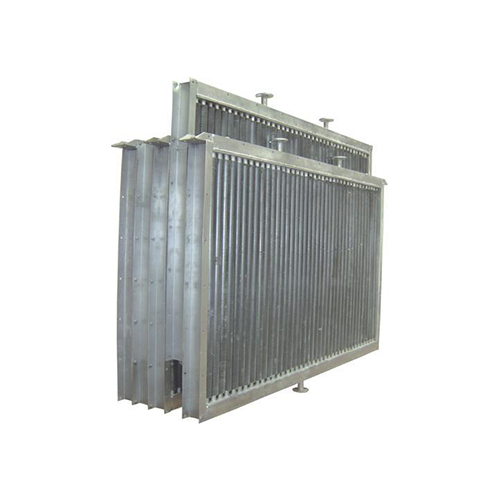
An Aluminium Heat Exchanger is an industrial heat-transfer equipment designed to transfer thermal energy between air, gas, water, or other process media through a suitable heat-transfer surface. Aluminium is often selected for applications where low weight, good thermal conductivity, and compact construction are important.
Heat Transfer Equipments manufactures customized Aluminium Heat Exchangers according to required heat load, flow rate, operating temperatures, pressure, material compatibility, and installation conditions.
Understanding Aluminium Heat Exchangers
Aluminium Heat Exchangers use aluminium or aluminium-based components as part of the heat-transfer construction. The equipment transfers heat between separate media while maintaining the required temperature conditions for the process.
The suitable configuration depends on the type of fluids involved, heat-transfer duty, operating environment, space availability, and required mechanical performance.
Working Principle of Aluminium Heat Transfer
Heat is transferred from a higher-temperature medium to a lower-temperature medium through the aluminium heat-transfer surface.
Heat Transfer Between Fluids
The two process media flow through separate passages, allowing thermal energy to pass through the separating surface without direct mixing.
Airflow and Fluid Flow
Where air is one of the heat-transfer media, airflow is arranged across the available heat-transfer surface. The flow arrangement is selected to achieve the required thermal performance while maintaining an acceptable pressure drop.
Aluminium Heat Exchanger Construction
The construction is developed according to the required thermal duty, operating conditions, and application environment.
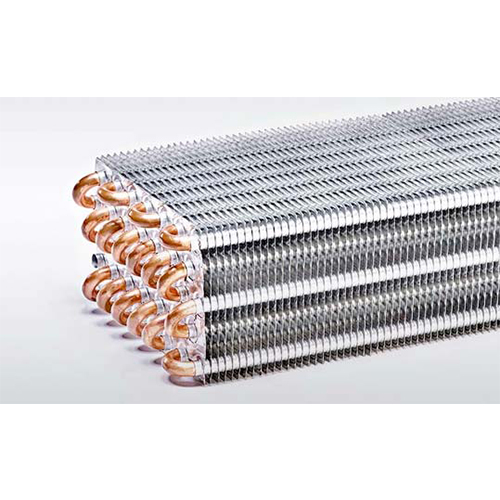
Aluminium Tubes and Fins
Aluminium tubes and fins can provide a large heat-transfer surface while keeping the equipment relatively lightweight. The arrangement depends on the required airflow and thermal performance.
Joints and Connections
Connections and joining methods are selected according to the equipment configuration, operating conditions, fluid characteristics, and manufacturing requirements.
Supporting Structure
Frames, supports, casings, and mounting arrangements are designed to provide suitable mechanical stability during operation and installation.
Important Design Features
Aluminium Heat Exchangers can be engineered with design features suited to the application, including:
- Compact heat-transfer arrangements
- Lightweight construction
- Suitable fin and tube configurations
- Customized inlet and outlet connections
- Application-specific material selection
- Flexible mounting and support arrangements
- Airflow arrangements based on process requirements
The final design is determined by the required thermal performance and operating conditions rather than using a single standard configuration.
Aluminium Heat Exchanger Configurations
Different construction arrangements can be considered depending on the required heat-transfer duty.
Plate-Fin Aluminium Heat Exchanger
Plate-fin construction provides a compact heat-transfer arrangement with extended surface area. It can be considered for applications where space and weight are important design factors.
Finned Tube Aluminium Heat Exchanger
Finned tube construction increases the available surface area on the air side and can be used for air-to-fluid heat-transfer applications.
Aluminium Air Heat Exchanger
Aluminium-based air heat exchangers can be designed for applications involving air heating, cooling, or heat recovery, depending on the process requirements.
Industrial Applications of Aluminium Heat Exchangers
Aluminium Heat Exchangers can be used in applications where their thermal and physical characteristics suit the operating conditions.
HVAC and Refrigeration
They can be integrated into selected air-conditioning and refrigeration systems for controlled heating or cooling duties.
Air and Gas Cooling
Aluminium heat-transfer surfaces can be used for cooling air or gas streams where a lightweight and compact arrangement is beneficial.
Industrial Equipment Cooling
They can support temperature control for selected machinery, equipment, and process systems.
Power and Process Industries
Customized aluminium heat-transfer equipment can be considered for selected power, process, and industrial applications based on temperature, pressure, fluid compatibility, and environmental conditions.
Why Choose Aluminium for Heat Exchange?
Lightweight Construction
Aluminium offers lower weight compared with many conventional heat-transfer materials, which can be beneficial for equipment handling and installation.
High Thermal Conductivity
The thermal conductivity of aluminium makes it suitable for heat-transfer applications where efficient conduction through the heat-transfer surface is required.
Compact Equipment Design
Aluminium heat-transfer components can support compact equipment arrangements where installation space is limited.
Suitable Corrosion Resistance
Aluminium can provide suitable corrosion resistance in compatible environments. Material selection should always consider the process fluid, temperature, water chemistry, and operating conditions.
Factors to Consider Before Selection
Selecting the right Aluminium Heat Exchanger requires evaluation of the complete operating conditions.
Key information includes:
- Required heat-transfer capacity
- Fluid or gas type
- Flow rate
- Inlet and outlet temperatures
- Operating and design pressure
- Allowable pressure drop
- Environmental conditions
- Material compatibility
- Available installation space
- Maintenance requirements
Providing accurate process data helps determine the appropriate heat-transfer surface and equipment configuration.
Inspection and Maintenance Requirements
Regular inspection helps maintain thermal performance and equipment reliability.
Heat-transfer surfaces should be checked for dust, deposits, fouling, corrosion, physical damage, and airflow restrictions. Connections and joints should also be inspected for leakage or mechanical issues.
Cleaning frequency depends on the operating environment and the type of process media involved.
Engineered Aluminium Heat Exchanger Solutions
Heat Transfer Equipments provides customized Aluminium Heat Exchanger solutions for industrial heating, cooling, and heat-transfer requirements.
Equipment can be developed according to:
- Thermal duty
- Fluid and airflow requirements
- Operating temperature
- Pressure conditions
- Material requirements
- Equipment dimensions
- Connection details
- Installation limitations
Customers can share their process data and existing equipment details with our engineering team for evaluation and suitable equipment selection.
Frequently Asked Questions
What is an Aluminium Heat Exchanger used for?
An Aluminium Heat Exchanger is used to transfer heat between separate fluids, air, or gas streams. It can be applied for heating, cooling, or heat recovery depending on the process requirement.
Why is aluminium used in heat exchangers?
Aluminium can be selected because of its relatively low weight, good thermal conductivity, and suitability for compact heat-transfer construction in compatible applications.
What types of Aluminium Heat Exchangers are available?
Depending on the application, aluminium heat exchangers can be developed using configurations such as plate-fin, finned tube, and other application-specific arrangements.
Where are Aluminium Heat Exchangers used?
They can be used in selected HVAC, refrigeration, air and gas cooling, industrial equipment cooling, power, and process applications.
What information is required for Aluminium Heat Exchanger selection?
Heat load, fluid type, flow rate, inlet and outlet temperatures, operating pressure, allowable pressure drop, material requirements, environmental conditions, and installation space are useful for equipment selection.
Can an Aluminium Heat Exchanger be customized?
Yes. Dimensions, heat-transfer surfaces, connections, materials, airflow arrangement, mounting configuration, and other design features can be developed according to project requirements.
How do I request a quotation for an Aluminium Heat Exchanger?
Share the required heat load, flow rates, operating temperatures, pressure, fluid details, material requirements, and available installation dimensions. Our engineering team can review the information and recommend a suitable configuration.
Do you manufacture Aluminium Heat Exchangers in India?
Yes. Heat Transfer Equipments manufactures customized heat-transfer equipment for industrial applications based on required thermal performance, operating conditions, materials, and project specifications.
Get a Quote for an Aluminium Heat Exchanger
Looking for an Aluminium Heat Exchanger for your industrial heating, cooling, or heat-transfer application?
Share your heat load, flow rate, operating temperatures, fluid details, pressure, material requirements, and installation dimensions with our team.
Contact Heat Transfer Equipments today to discuss your requirement and request a customized quotation.